📍 Beijing, China

Great Wall of China: Hike, Explore & Discover

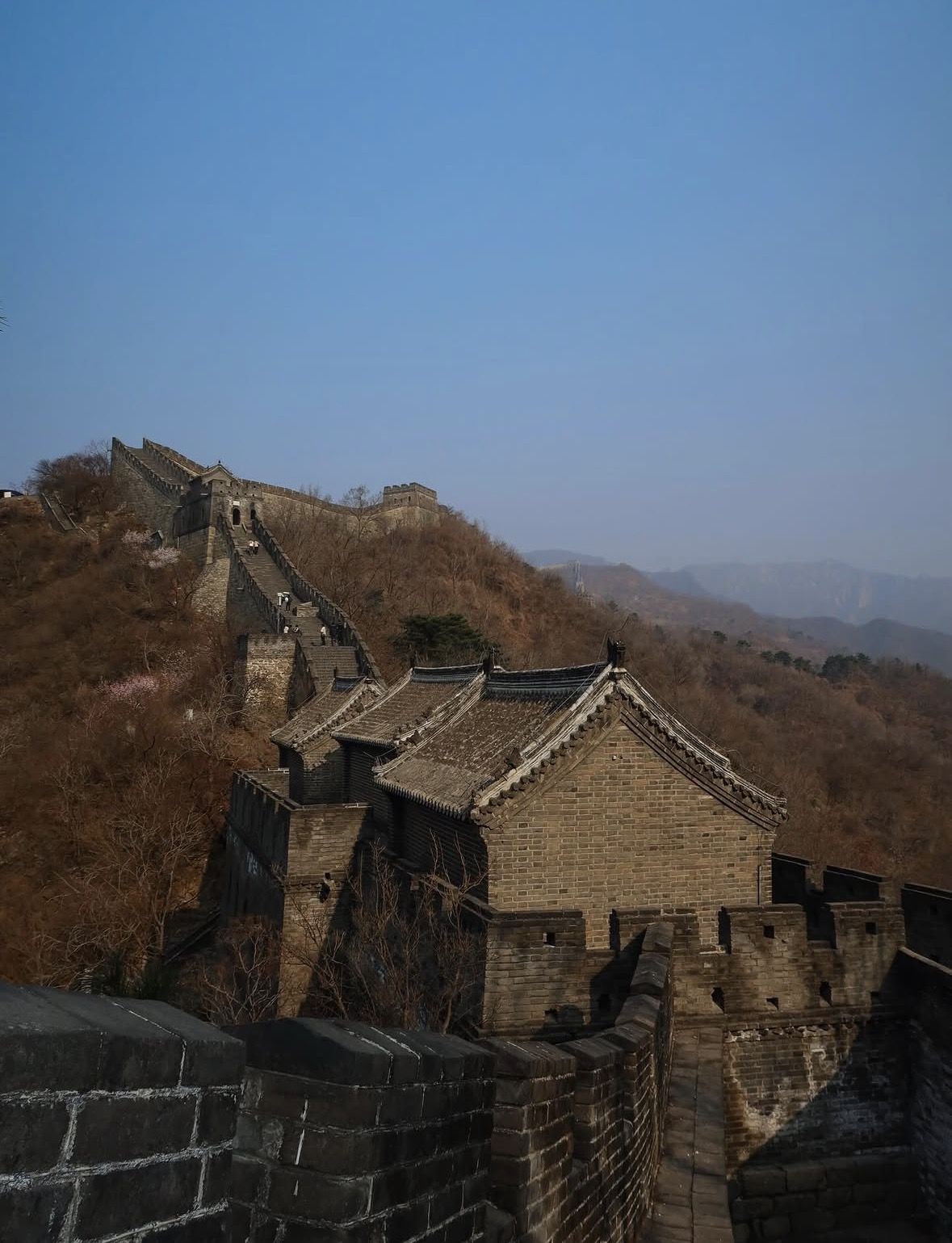
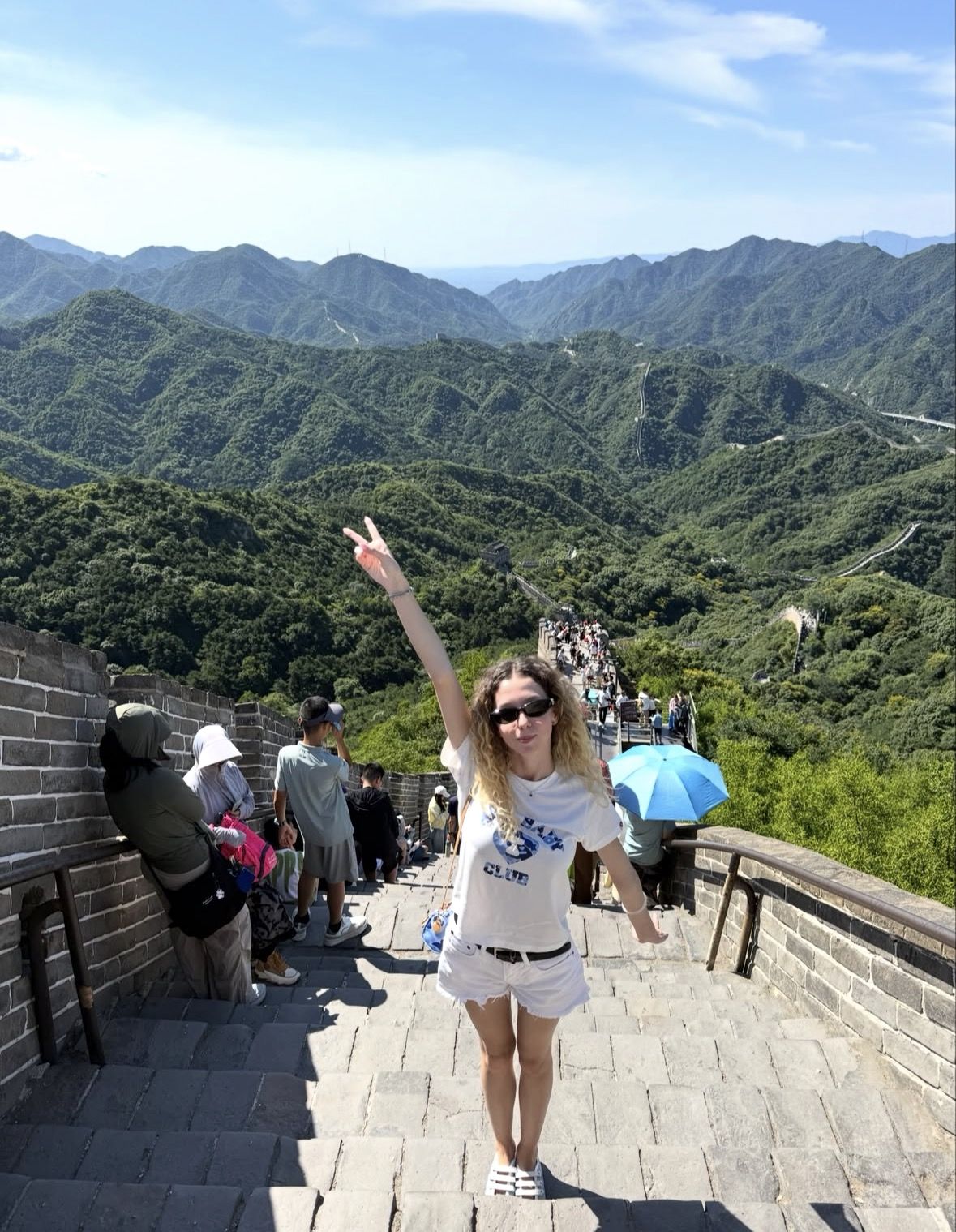
Stretching thousands of miles across mountains and desert, this ancient wonder rewards every traveller with unforgettable views and living history. Whether you hike a quiet restored section or trek a wild, crumbling ridge, no two visits are ever the same.

Mutianyu Great Wall Full-Day Group Tour

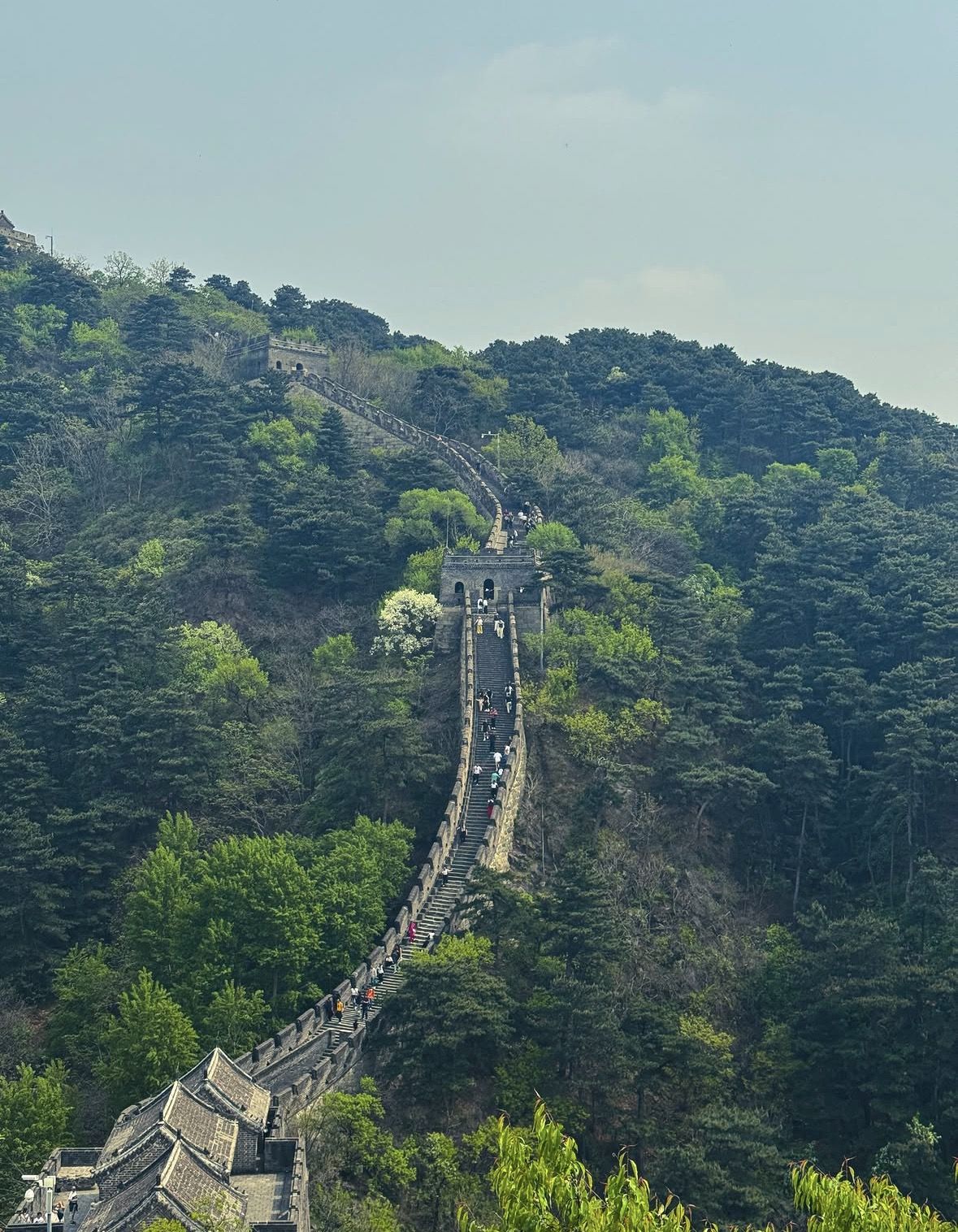
The Beijing Mutianyu Great Wall Sightseeing Full-day Group Tours offer one of the most seamless ways to experience this iconic landmark. Designed for travelers who value efficiency and comfort, these no-shopping tours depart at multiple times — 7:00, 7:30, 8:00, 8:30, 9:00, 9:30, 10:00, or 12:00 — with convenient pick-up points at Hepingxiqiao, Dengshikou, and Prime Hotel. Beyond the Wall itself, you can extend your day with combo options pairing Mutianyu with the Summer Palace, the Forbidden City, the Temple of Heaven, or the Dingling Tomb, each crafted to showcase Beijing's layered imperial heritage.

  • Flexible departure times from 7:00 AM to 12:00 PM to suit your schedule
  • Multiple city pick-up points including Hepingxiqiao and Dengshikou
  • Strictly no-shopping policy — every minute spent on real sightseeing
  • Four combo routes available: Summer Palace, Forbidden City, Temple of Heaven, or Dingling Tomb
  • Rated a perfect 5.0 stars by 443 travelers — consistently praised for organization and comfort
Book Now
⭐ Top Rated Beijing Mutianyu Great Wall Sightseeing Full-day Group Tours

Where History Meets the Horizon

The wall winds across Beijing's mountains and beyond, connecting dozens of accessible sections each with its own character. Knowing where to go — and how to get there — transforms a good trip into an extraordinary one.

The Great Wall of China snakes across northern China for thousands of kilometres, passing through mountains, plateaus, and grasslands from Liaoning in the east to Gansu in the west. Most visitors base themselves in Beijing, which sits within easy reach of the most celebrated sections: Badaling, Mutianyu, Jinshanling, Simatai, and the wild crags of Jiankou. Each section offers a distinct landscape and atmosphere, meaning travellers can choose between polished accessibility and raw, atmospheric adventure depending on their fitness and interests.

Construction began as early as the 7th century BC, but it was the Qin dynasty (221–206 BC) that first unified separate regional walls into a single defensive line. The Ming dynasty (1368–1644) oversaw the most extensive rebuilding, adding the distinctive brick-and-mortar ramparts, watchtowers, and garrison stations that survive today. Built by soldiers, peasants, and convicts under brutal conditions, the wall served as a military frontier, a communications highway, and a customs barrier — embodying the ambitions and anxieties of successive Chinese empires across more than two millennia.

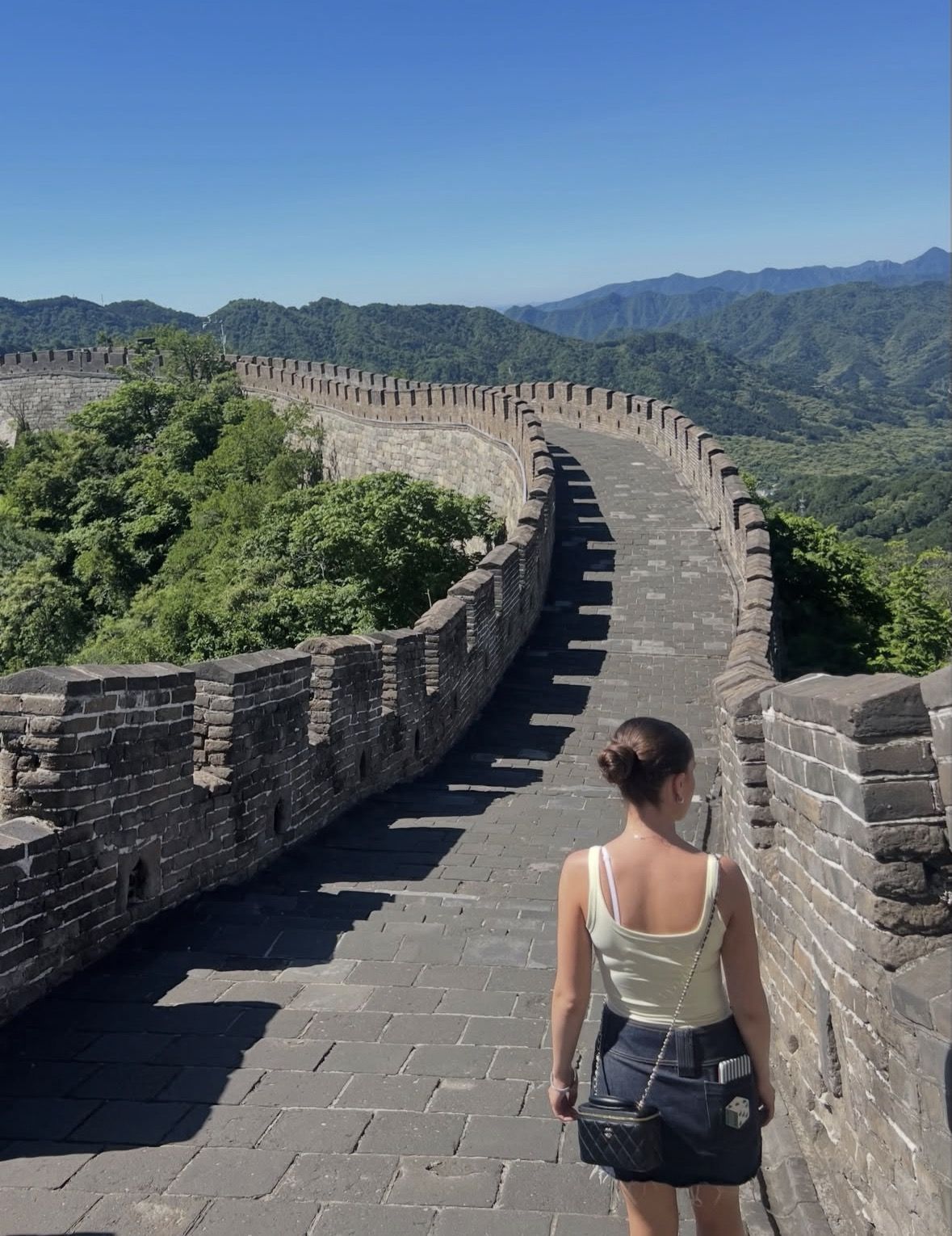
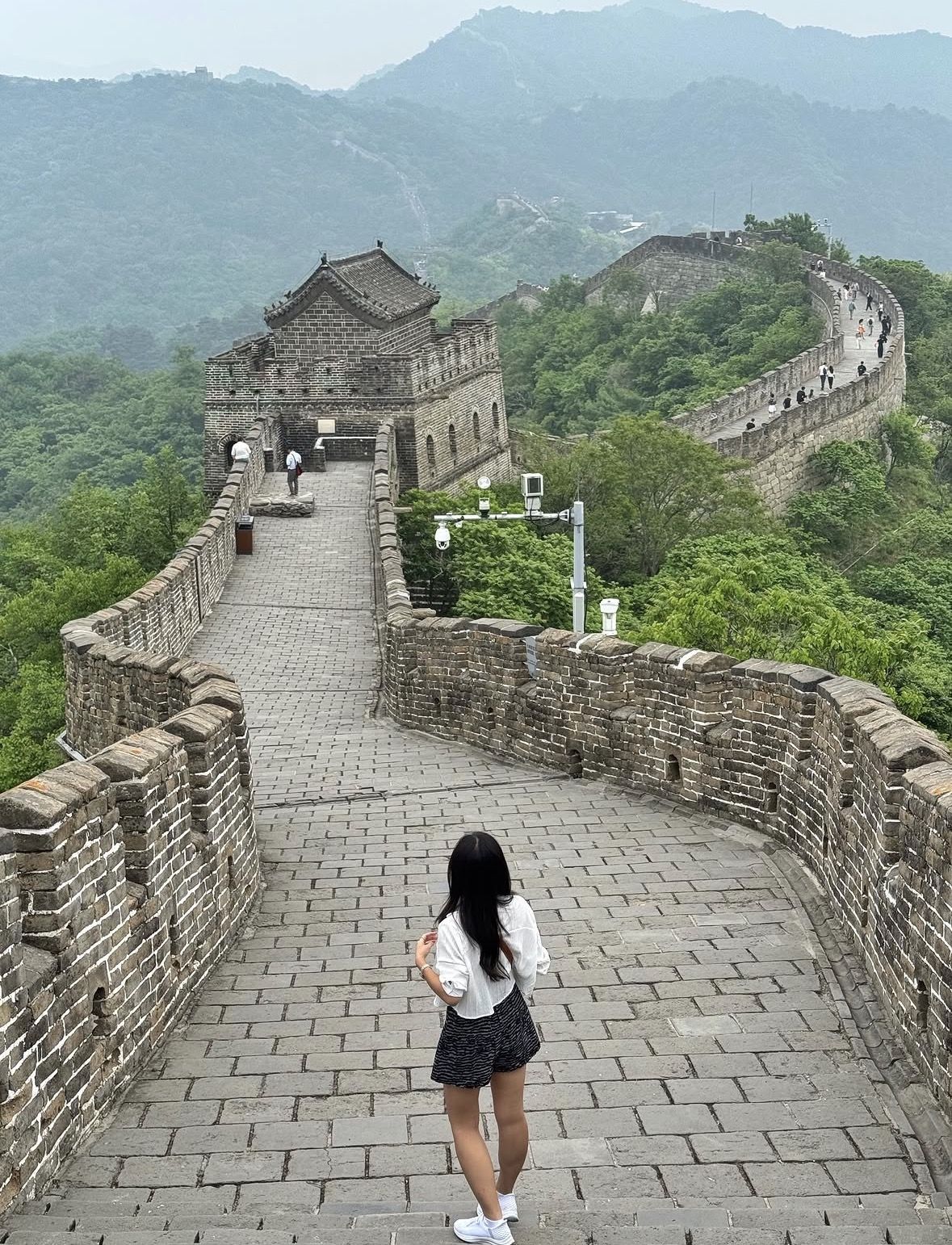
Visitors today can tailor their experience from gentle cable-car rides to challenging full-day ridge hikes. Mutianyu is family-friendly and beautifully restored, while Jinshanling draws photographers hunting the perfect shot. For the adventurous, Jiankou's crumbling, overgrown towers feel genuinely wild. An ultimate great wall of china tour often combines two sections across consecutive days, letting travellers contrast the manicured and the untamed. Guided experiences add cultural depth, pointing out hidden inscriptions, explaining military tactics, and sharing stories that bring the stones vividly to life.

📏
Total Length 21,196 km
🏯
Watchtowers ~25,000
📅
UNESCO Listed 1987
🧱
Dynasties Involved Multiple (Qin–Ming)
👣
Annual Visitors ~10 million
⛰️
Highest Point ~1,534 m (Heichanling)
🏗️
2,000+
Years of Construction

Building and rebuilding spanned more than two millennia across numerous dynasties. The Ming-era sections most visitors see today were constructed between 1368 and 1644.

👷
Millions
Workers Who Built It

Historians estimate that millions of soldiers, peasants, and convicted criminals laboured on the wall. Many died during construction and were reportedly buried within the structure itself.

🧱
3–8 m
Wall Height Range

Height varies considerably depending on terrain and dynasty. Ming sections typically stand 6–8 metres tall, wide enough for five horses to ride side by side along the top.

🌍
Top 7
Wonders of the Medieval World

Frequently cited among the greatest human-made structures on Earth, it was declared a UNESCO World Heritage Site in 1987 and attracts visitors from every corner of the globe.

📡
Smoke & Fire
Ancient Signal System

Beacon towers used smoke by day and fire by night to relay military messages across hundreds of kilometres within hours — an astonishing feat of pre-modern communication.

🦅
30%
Wall Now Disappeared

Roughly a third of the original Ming-dynasty wall has vanished due to erosion, farming, and human activity. Conservation efforts are ongoing to protect what remains.

🥾

Hiking Unrestored Sections

Trails at Jiankou and Gubeikou wind through overgrown towers and collapsed parapets, offering a raw, atmospheric adventure far from tourist crowds. These routes suit fit hikers comfortable with uneven terrain and steep gradients.

📸

Sunrise Photography

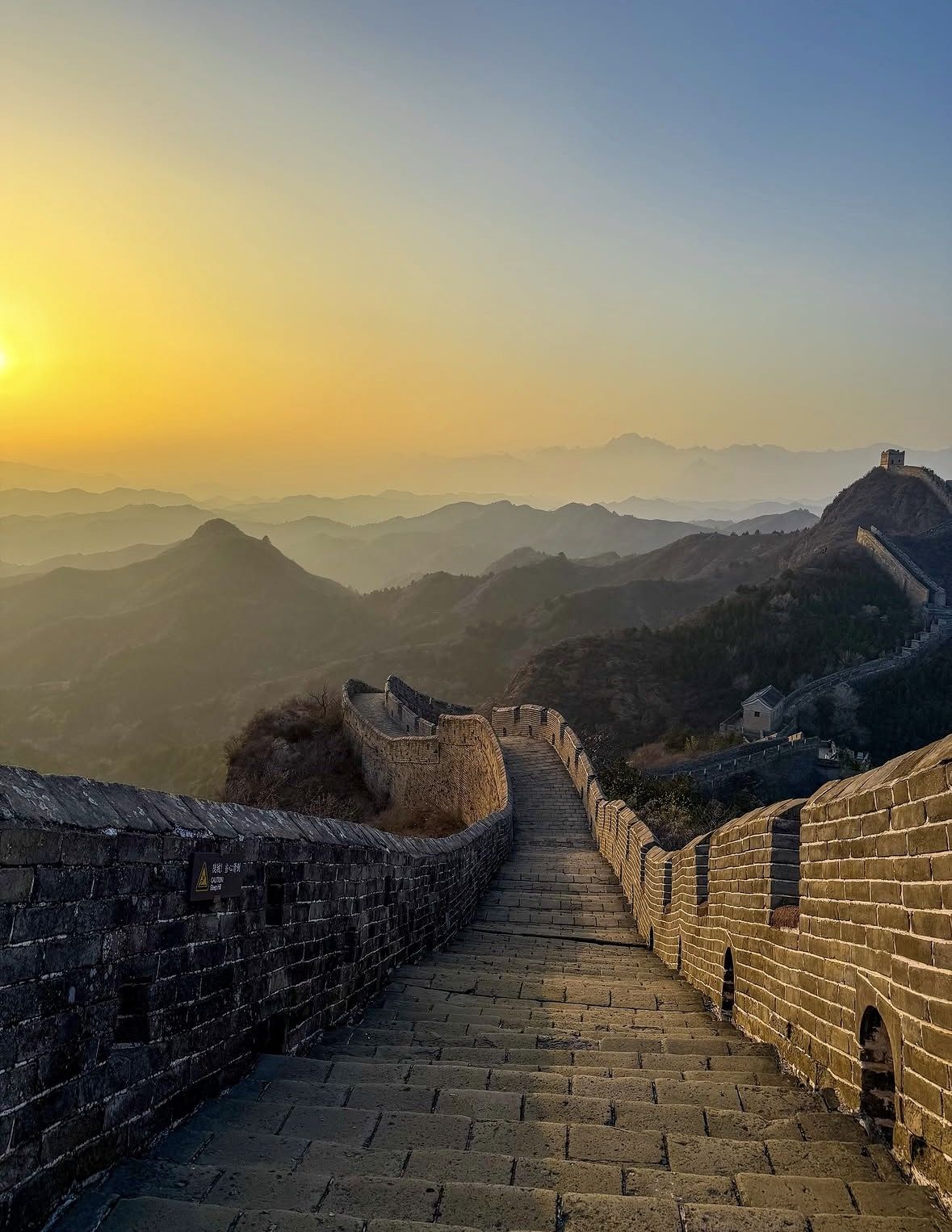
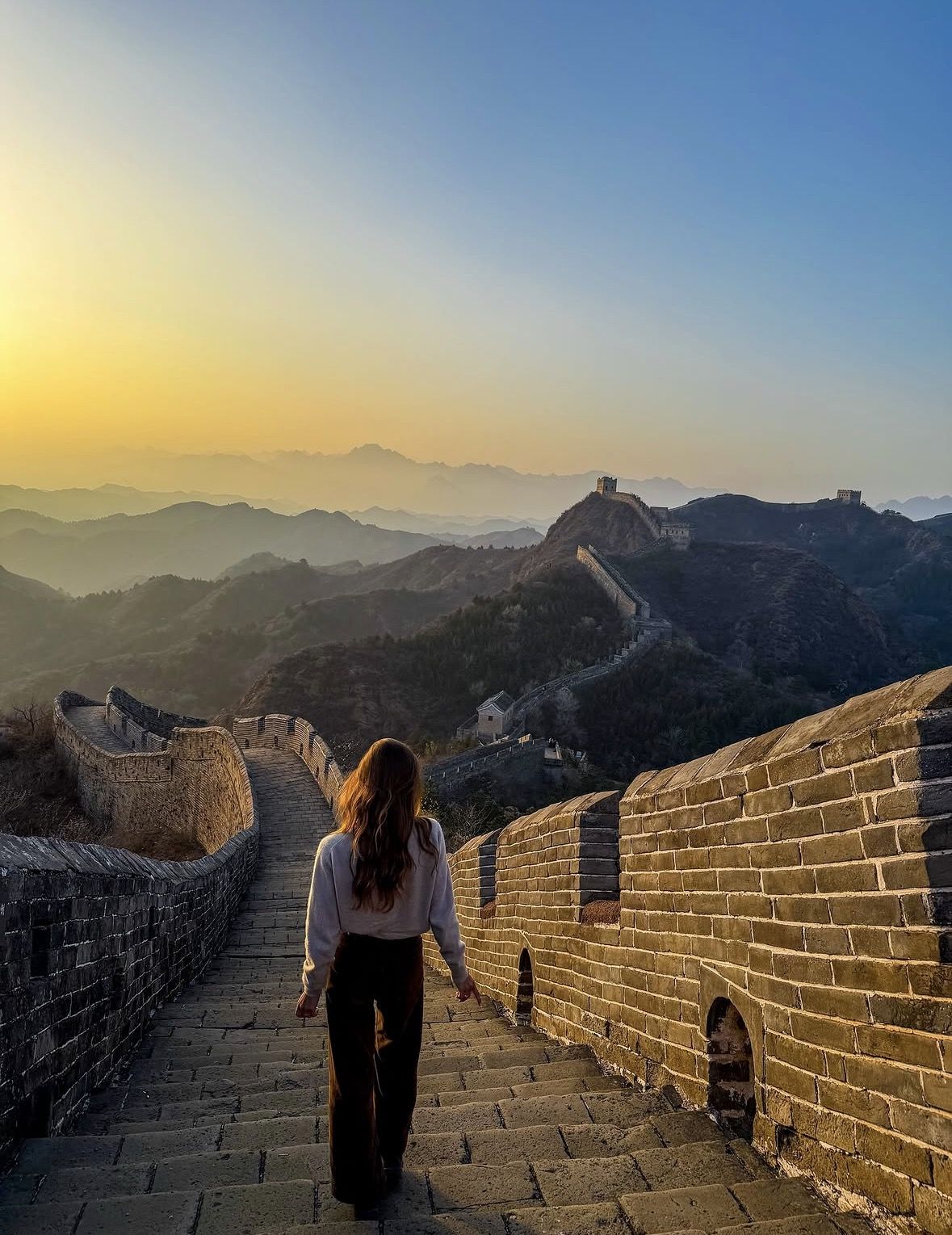
A great wall of china sunrise at Jinshanling is considered one of Asia's finest photography moments, as golden light rolls over layered ridges and mist fills the valleys below. Arrive before 5 am for the best position and fewest fellow visitors.

🌙

Night Tour Experience

Simatai offers the only official great wall of china night tour, where floodlit ramparts and glittering towers create a magical, almost otherworldly atmosphere. The section's cable car operates into the evening for a comfortable ascent.

🚡

Cable Car & Toboggan Ride

Mutianyu's gondola and famous toboggan run make it ideal for families and those seeking a lighter adventure. The toboggan descent hugs the hillside with exhilarating twists and sweeping valley views.

🍵

Cultural Workshops Near the Wall

Several villages adjacent to major sections offer tea ceremonies, calligraphy lessons, and traditional cooking classes that provide meaningful local context between your time on the battlements.

🏕️

Camping on the Ramparts

Licensed overnight camping experiences near Gubeikou and Jinshanling let adventurous travellers sleep beneath a sky undimmed by city lights, waking to the sunrise over ancient stone. Always book with an authorised operator to ensure safety and legality.

How the Great Wall of China Compares to Similar Wonders

See how this ancient marvel stacks up against the world's other great historical fortifications and landmark sites.

Choosing a once-in-a-lifetime heritage destination is never easy. Travellers weighing the Great Wall of China against other iconic wonders often ask the same questions: How crowded will it be? Is it worth the journey? What makes it truly unique? This comparison table looks at four major sites — factoring in crowd levels, typical costs, ideal visitor profiles, and the defining quality that sets each place apart — so you can book with confidence.

CrowdsPriceBest ForWhat Sets It Apart
★ Great Wall of ChinaVaries — quiet at Jiankou, busy at BadalingLow–Mid (¥40–¥65 entry + tour cost)History lovers, hikers, photographersSheer scale: 21,000 km of living landscape
Hadrian's Wall, UKLow–Moderate year-roundLow (mostly free access)Walkers, Roman history enthusiastsIntimate, pastoral English countryside setting
Machu Picchu, PeruHigh — strict daily entry cap in placeHigh (entry + train + permits)Adventure travellers, culture seekersDramatic Andean cloud-forest backdrop
Chichen Itza, MexicoVery High — especially at equinoxesLow–Mid (entry ~USD 30)Day-trippers, archaeology fansIconic pyramid with astronomical precision

For pure scale, variety, and the chance to hike genuine wilderness alongside polished heritage, the Great Wall of China has no real equal. Other fortifications offer charm and history, but none deliver the same combination of epic geography, millennia of layered civilisation, and the freedom to choose your own adventure — from a crowd-free wild ridge to a floodlit night tour.

Great Wall of China Everything You Need to Know

Everything you need to plan a seamless, rewarding visit to one of the world's most iconic destinations.

How to Get to the Wall: Transport & Access Guide

Beijing Capital International Airport (PEK) and Beijing Daxing International Airport (PKX) are the main international gateways, served by direct flights from dozens of global hubs. High-speed rail also connects Beijing to cities across China in a matter of hours. From Beijing city centre, most popular wall sections are between 70 and 130 kilometres away, making a morning departure entirely practical for a full day of exploration.

From Beijing, options include organised tour buses, private car hire, public bus routes (lines 877 and 916 for Badaling), and chartered minivans. A private tour great wall of china transfer offers the most flexibility — your driver waits while you explore and adjusts timing to your pace. Taxis are available but negotiate fare and route in advance. The subway does not reach wall sections directly, so some overland travel is always required.

  • Fly into Beijing Capital (PEK) or Daxing (PKX) — both have metro links to the city centre
  • Book a hotel in central Beijing (Wangfujing, Sanlitun, or near Beijing Railway Station) for easy day-trip access
  • Public bus 877 from Deshengmen runs directly to Badaling — cheapest option at around ¥12
  • Chartered minivan or private car: most flexible, 1–1.5 hours to Mutianyu or Jinshanling
  • Organised tour buses depart from multiple Beijing hotels each morning — convenient but fixed schedule
  • High-speed train to Gubeikou area via Miyun is possible for the adventurous independent traveller
  • Always confirm return transport before you head up the wall — taxis can be scarce in late afternoon
Tour bus parked at the base of the Great Wall of China with mountains visible in the background

Best Time to Visit: Seasons, Weather & Peak Periods

Spring (April–May) and autumn (September–October) are widely considered the finest seasons to visit. Temperatures are comfortable for hiking — typically 10–22°C — and the landscapes are dramatic: cherry blossoms in spring, fiery foliage in autumn. Crowds are manageable outside Chinese national holidays, and visibility tends to be excellent, making these months ideal for both photography and the great wall of china sunrise experience at Jinshanling.

Summer (June–August) brings heat, humidity, and Beijing's heaviest visitor numbers, particularly during July school holidays. Haze can limit views. Winter (November–February) is cold and occasionally snowy, but a snow-dusted wall is breathtaking and crowds drop sharply. Spring Festival (Chinese New Year, January–February) sees domestic tourism surge — plan well ahead or choose a remote section. Avoid Golden Week (1–7 October) unless you enjoy extraordinary crowds.

  • April–May: ideal temperatures, spring greenery, moderate crowds — highly recommended
  • June–August: hot and humid; go early (pre-7 am) to beat heat and visitor peaks
  • September–October: golden foliage, clear skies, perfect hiking weather — the most popular season
  • November–February: cold (can drop to -10°C) but magical; snow transforms the wall dramatically
  • Avoid Golden Week (1–7 Oct) and Chinese New Year unless booking well-remote sections
  • Sunrise visits any season: arrive 45–60 minutes before dawn for best light and fewest people
  • Weekdays are significantly quieter than weekends at all accessible sections
Autumn foliage framing the Great Wall of China at Mutianyu during peak October colours

What to Pack: Essential Gear for Your Wall Adventure

The wall's terrain is more demanding than it looks in photos. Steps vary wildly in height and angle, surfaces can be slippery, and exposed ridges offer little shade. Pack light but smart — you will likely be on your feet for three to six hours. Layers are essential because temperatures shift significantly between valley and ridge, especially in spring and autumn. A small daypack keeps your hands free for scrambling on steeper sections.

Footwear is the single most important item: sturdy trail shoes or low hiking boots with grip are essential. Sandals and flat-soled canvas shoes are genuinely dangerous on unrestored sections. A brimmed hat and high-SPF sunscreen are critical in summer, while thermal base layers and a windproof jacket are non-negotiable from November through March. Trekking poles significantly ease both ascent and descent on steeper hiking routes.

  • Sturdy trail shoes or hiking boots with grippy soles — absolutely non-negotiable
  • Daypack (15–20 L) to keep hands free on steep or unrestored sections
  • At least 1.5 litres of water per person; hydration is critical, especially in summer
  • High-SPF sunscreen and a wide-brimmed hat or buff for sun and wind protection
  • Windproof and waterproof jacket — ridge weather changes rapidly regardless of season
  • Trekking poles for added stability on steep descents and crumbling terrain
  • Snacks and a light lunch — food stalls exist at major sections but are limited on remote trails
  • Portable battery pack to keep phone and camera charged for a full day of photography
Hiker with a daypack and trekking poles ascending stone steps along the Great Wall of China

Local Tips: Insider Advice for a Smarter Visit

Arrive early — not just to beat crowds, but because the morning light at major sections is spectacular and entry queues form quickly after 9 am at busy spots like Badaling. Download an offline map (Maps.me or Google Maps offline) before leaving Beijing, as mobile signal is patchy on remote ridges. Learn a few basic Mandarin phrases — vendors and local guides genuinely appreciate the effort, and it often results in warmer, more authentic interactions.

Cash (RMB yuan) is essential; many wall-adjacent vendors do not accept international cards, though WeChat Pay is near-universal among locals. Entry tickets can often be booked online via official apps to skip queues. Haggling is acceptable at souvenir stalls outside entry gates — start at around 40% of the asking price. Respect signage asking visitors not to carve or mark the stones; damage is irreversible and culturally offensive.

  • Arrive at opening time (typically 7–7:30 am) to enjoy the wall in near-solitude
  • Buy entry tickets online via official platforms to avoid queuing at the gate
  • Bring yuan cash — card acceptance is limited away from major visitor centres
  • Download offline maps before leaving Beijing; signal is unreliable on remote sections
  • Hiring a local guide adds enormous historical and cultural depth to your visit
  • Respect all conservation signs — carving or marking the stones is illegal and harmful
  • Souvenir haggling is normal outside gate areas; aim for 40–50% of the initial price
Local guide explaining Ming-dynasty watchtower architecture to a group of tourists on the Great Wall of China

Health & Safety: Staying Safe on the Wall

No specific vaccinations are required for visiting China beyond routine immunisations, but ensuring hepatitis A and typhoid shots are up to date is advisable for travel to rural areas near wall sections. Travel insurance covering emergency medical evacuation is strongly recommended, especially for anyone attempting unrestored, remote hikes at Jiankou or Gubeikou where rescue services can take hours to arrive. Carry any personal medication in your daypack, not checked luggage.

The wall's steep, uneven steps cause the majority of visitor injuries — rolled ankles and falls are the most common incidents. Never attempt unrestored sections alone; always hike with at least one companion. In summer, heat exhaustion is a real risk — drink water consistently and rest in shade frequently. Beijing's emergency number is 120 for medical assistance and 110 for police. The nearest hospitals to popular wall sections are located in Beijing's urban districts, 1–2 hours away.

  • Confirm routine vaccinations (hepatitis A, typhoid) are current before travel to rural areas
  • Purchase comprehensive travel insurance covering medical evacuation before departure
  • Never hike unrestored sections (Jiankou, Gubeikou) alone — always go with a companion
  • Wear grippy footwear; ankle injuries from uneven steps are the most common visitor incident
  • Drink water steadily throughout — heat exhaustion risk is high in summer above the treeline
  • China emergency numbers: 120 (medical), 110 (police), 119 (fire)
  • Carry a fully charged phone and a paper note of your hotel address in Chinese characters
First-aid kit and water bottle resting on a stone parapet of the Great Wall of China during a hiking tour

All Tours

Pair your visit with these remarkable Beijing-area attractions to make the most of every day.

Great Wall of China What Visitors Are Saying

Real traveler experiences from the Great Wall of China — read what visitors say about touring this legendary landmark.

★★★★★

"Booking a private tour great wall of china experience was absolutely the right decision for our family. Our guide was incredibly knowledgeable about the Ming Dynasty history and pointed out details we never would have noticed on our own. We had the entire Mutianyu section virtually to ourselves in the early morning, and the views across the misty mountains were beyond anything I could have imagined. I honestly cannot recommend a private guided visit highly enough — it transformed a bucket-list tick into a genuinely emotional, unforgettable day."

SM
Sarah M.October 2024
★★★★★

"We booked the great wall of china sunrise tour and arrived before the crowds, which made all the difference. Watching the first light creep over the watchtowers and illuminate the ridge in golden tones was one of the most breathtaking moments of my entire life. Our guide kept the group small — only eight people — so it felt intimate and special rather than rushed. The cable car descent afterward was a fun bonus, and we were back in Beijing in time for a late breakfast with the whole afternoon free."

JR
James R.April 2025
★★★★☆

"I joined a great wall of china hiking tour that covered a wild, unrestored section near Jiankou, and it was seriously challenging but deeply rewarding. The crumbling towers and overgrown steps give you a real sense of history that the polished tourist sections simply cannot replicate. Our guide was experienced and safety-conscious, which I appreciated given some of the steep scrambles involved. I'm knocking one star off only because the transfer from Beijing took longer than expected — plan for early starts if you book this route."

LK
Lena K.September 2024
★★★★★

"The ultimate great wall of china tour we chose combined Mutianyu in the morning with a traditional hutong lunch and a calligraphy class in the afternoon — a perfect full day. Our guide spoke flawless English and was endlessly patient with our questions about architecture, dynasties, and local legends. The small-group format meant we never felt herded around, and the itinerary was flexible enough to let us linger at the spots we loved most. Truly the best single day I spent during two weeks of travel across China."

OT
Olivia T.May 2025
★★★★★

"I was skeptical about whether a guided tour was really necessary, but after speaking to people who went independently I'm so glad I booked one. Our guide handled all the logistics — transport, tickets, timing — so I could simply soak in the atmosphere. Standing on those ancient stones, looking out over the endless green hills, I felt completely humbled by the scale and ambition of the structure. It exceeded every expectation I had built up over years of wanting to visit."

MB
Marco B.June 2025
★★★★☆

"The great wall of china night tour is something I hadn't even considered until a friend mentioned it, and I'm so grateful she did. The wall is illuminated after dark in a soft, warm light that makes it look almost otherworldly against the night sky, and the heat of the day has faded so the walk is much more comfortable. Our group was small and the guide shared fascinating ghost stories and folklore tied to the site, which added a genuinely eerie and memorable atmosphere. The only downside was that some of the viewing platforms were closed for renovation, so check current access before booking."

YN
Yuki N.August 2024
★★★★★

"We did a great wall of china tour as part of a larger Beijing itinerary and it was unquestionably the highlight of the trip. The section we visited at Badaling was busy but our guide expertly navigated the crowds, taking us along the less-trafficked northern tower route where it felt almost peaceful. Watching the wall snake up and over the mountain ridges into the distance is a sight that photos simply do not do justice. I came home with a completely new appreciation for ancient engineering and human determination."

CD
Claire D.March 2025
★★★★★

"As a solo traveler I was a little nervous about visiting such a major landmark alone, but joining a small-group guided experience made everything easy and enjoyable. I met wonderful fellow travelers from four different countries and we ended up hiking together for hours, swapping stories between watchtowers. The guide's commentary on the wall's construction — the sheer number of workers, the materials, the strategic placement — gave the whole experience incredible depth. Without hesitation, this is the single best travel experience I have ever had."

PS
Priya S.November 2024

Watch the Wall Come Alive

Explore stunning footage of watchtowers, misty ridgelines, and sunrise hikes that will inspire your itinerary before you even book.

YouTube video thumbnail showing aerial drone footage of the Great Wall of China winding across mountain ridges at dawn

Find the Great Wall of China

The most visited section is located at Badaling, Yanqing District, Beijing 102112, China — approximately 75 km northwest of central Beijing.

Great Wall of China Frequently Asked Questions

Everything you need to know before you visit — your top questions about touring this iconic landmark, answered.

Mutianyu is widely considered the best section for first-timers, offering well-restored ramparts, stunning scenery, and a fun toboggan descent. Badaling is the most famous and accessible but gets very crowded, especially on weekends and public holidays. Jinshanling and Simatai are better suited to hikers who want a more rugged, less commercialized experience. Your choice will depend on your fitness level, available time, and how much solitude you prefer.
Spring (April–May) and autumn (September–October) are the ideal seasons, offering mild temperatures, clear skies, and beautiful natural colors against the ancient stone. Summer can be hot and humid with occasional heavy rain, though early morning visits help you avoid the worst of both the heat and the crowds. Winter visits are possible and the wall covered in snow is genuinely spectacular, but be prepared for icy, slippery surfaces and very cold winds. Avoid Chinese national holidays such as Golden Week in early October, when visitor numbers surge dramatically.
Difficulty varies enormously depending on which section you choose. Restored sections like Mutianyu have even steps and handrails, making them manageable for most reasonably fit adults. Unrestored sections such as Jiankou involve steep climbs, crumbling steps, and scrambling over rocks — these are best left to experienced hikers with proper footwear. Always wear comfortable, grip-soled shoes regardless of the section, and bring plenty of water, sunscreen, and a light layer for the wind at higher elevations.
For many visitors, a private tour is absolutely worth the premium. You get a guide entirely focused on your group's interests and pace, flexible timing, and the ability to skip sections that don't appeal to you. Private tours are especially valuable for families with young children, travelers with mobility considerations, or those who want in-depth historical commentary without competing for the guide's attention. The added cost also typically includes door-to-door hotel transfers, saving you the hassle of navigating public transport.
A sunrise tour typically requires a very early start — often departing Beijing hotels between 4:00 and 5:00 a.m. — but the reward is extraordinary light conditions, cooler temperatures, and far fewer fellow visitors on the ramparts. Mutianyu and Jinshanling are popular choices for sunrise visits because of their east-facing orientation and accessible entry. Many operators include a light breakfast during or after the tour. Bring a jacket even in summer, as mountain mornings can be surprisingly chilly before the sun climbs fully above the horizon.
Yes, it is entirely possible to visit independently, particularly at major sections like Badaling, which is served by a direct high-speed train from Beijing. You purchase entry tickets on arrival or in advance online, and signage at the more popular sections is available in English. However, guided visits add significant value through historical context, logistical ease, and access to lesser-known viewpoints that independent visitors often miss entirely. If you're considering a hiking tour of unrestored sections, a knowledgeable guide is strongly advisable for safety reasons.
A standard day tour from Beijing runs roughly 8–10 hours including round-trip travel, which typically takes 1–2 hours each way depending on traffic and the section you visit. Time spent on the wall itself usually ranges from 2 to 4 hours. The ultimate great wall of china tour packages often bundle additional experiences — like a hutong walk, lunch, or a cultural class — turning the outing into a full, rich day. Half-day options also exist for travelers with limited time, usually focusing on closer sections like Badaling.
Night tours are currently available at select sections, most notably a portion of the Badaling area, where the wall is illuminated after dark during certain seasons and festivals. The atmosphere is genuinely magical — lantern-lit ramparts, cooler temperatures, and a dramatic reduction in visitor numbers compared to peak daytime hours. Some tours incorporate cultural performances or storytelling sessions that bring the wall's long history to life in an unexpected way. Always confirm current availability with your tour operator, as night access hours can change seasonally.
Booking at least two to four weeks in advance is advisable, particularly during peak travel seasons in spring and autumn. Popular small-group and private tour options fill up quickly, and last-minute availability is not guaranteed. If your travel dates fall around Chinese public holidays, booking two to three months ahead is a sensible precaution. Early booking also often secures better pricing and gives you more flexibility to choose your preferred section and departure time.
Comfortable, sturdy footwear with good grip is essential, as the stone steps can be uneven and steep in many sections. Pack sunscreen, a hat, and sunglasses for open exposed sections, plus a light waterproof layer in case of sudden mountain showers. Bring more water than you think you'll need — at least 1.5 liters per person — and some energy snacks for longer hiking routes. A small day pack, a fully charged phone or camera, and cash for any souvenir stalls or extra refreshments at the site will round out your preparation perfectly.

Ready to walk one of the world's greatest wonders?

Book Your Tour Now

From Qin Frontiers to Ming Masterpiece: The Full Story

The story of this ancient fortification spans over 2,000 years, from warring kingdoms scratching earthen barriers across northern plains to Ming emperors commissioning the monumental brick ramparts that endure today. Understanding its layered history transforms the stones beneath your feet from mere scenery into one of humanity's most compelling narratives of ambition, fear, and survival.

📅 Book Now