Stretching more than 13,000 miles across mountains, deserts, and grasslands, the Great Wall of China is one of humanity's most audacious engineering achievements. Built over two millennia by millions of hands, it carries within its ancient stones the rise and fall of empires, the sacrifice of countless lives, and a story that still captivates the world.
The story of the Great Wall begins not with one grand project but with a series of separate defensive walls built as early as the 7th century BC. During the Warring States Period, rival Chinese kingdoms including Qi, Yan, Wei, and Zhao constructed individual earthen ramparts to protect their territories from one another and from nomadic raiders from the north. These early walls were modest affairs — compacted earth reinforced with wood and stone — but they established the crucial concept of a linear border defense that would define Chinese strategic thinking for centuries to come. They were the seeds from which one of the world's greatest monuments would eventually grow.
The transformation from scattered regional walls into a unified barrier began with China's first emperor, Qin Shi Huang, who unified the warring kingdoms under a single empire in 221 BC. Determined to protect his new realm from the Xiongnu nomads of the north, he dispatched General Meng Tian with a force of roughly 300,000 soldiers, laborers, and convicts to connect and extend the existing walls. This monumental undertaking consumed enormous resources and human lives — laborers who died during construction were reportedly buried within the wall itself, earning it the grim nickname 'the longest cemetery on earth.' The Qin Dynasty wall ran roughly 3,000 miles and laid the foundational route that later dynasties would follow and dramatically expand.
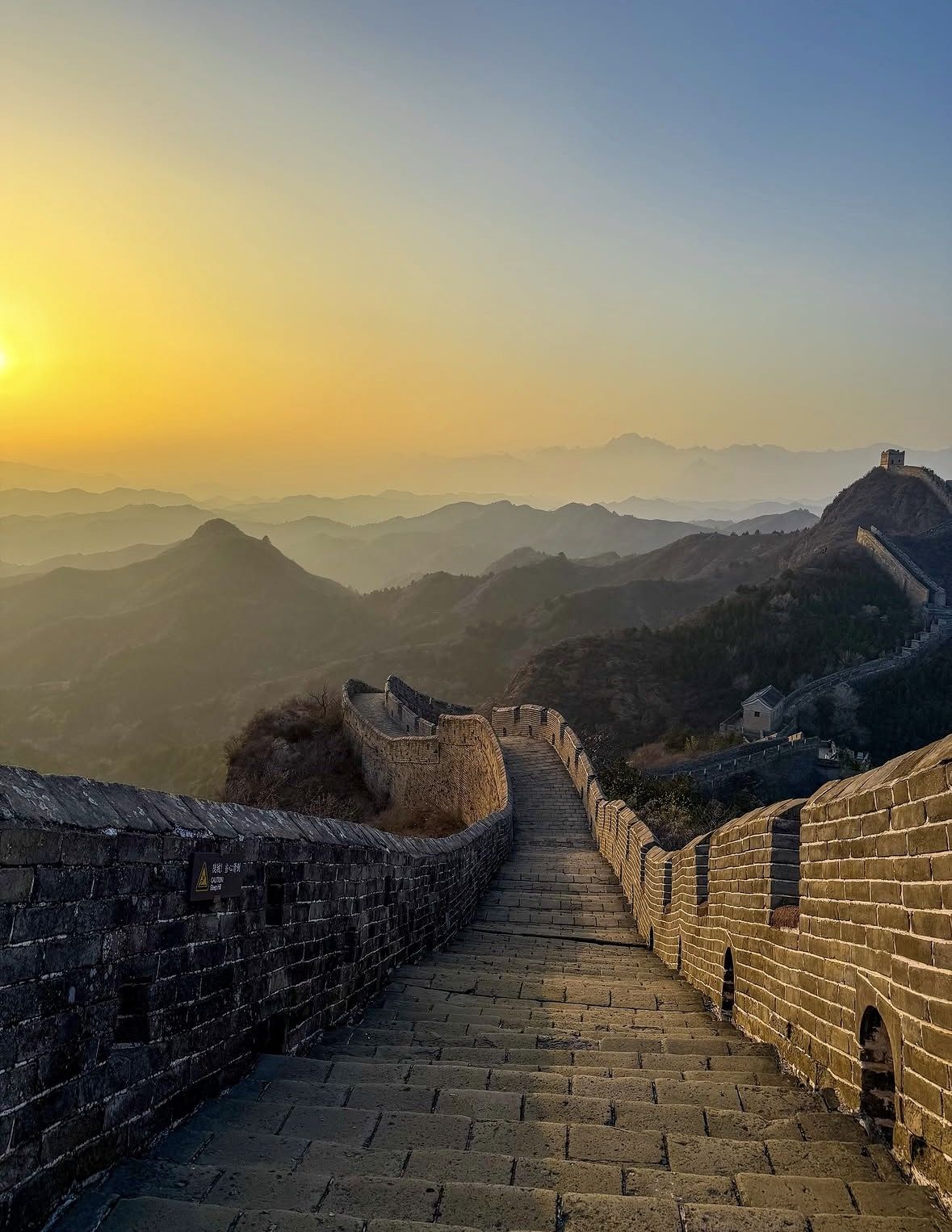
The Han Dynasty, which followed the short-lived Qin from 206 BC to 220 AD, extended the wall westward deep into Central Asia, pushing it beyond the Gobi Desert to protect the vital Silk Road trade routes that connected China to the Mediterranean world. Han-era walls stretched the barrier to an estimated 3,700 miles, and beacon towers were constructed at regular intervals to relay smoke signals during the day and fire signals at night, creating one of history's earliest long-distance communication networks. Garrison towns grew up around the wall, evolving into important commercial hubs where Chinese merchants traded silk, tea, and porcelain with Central Asian and Western traders in a vibrant cultural exchange.
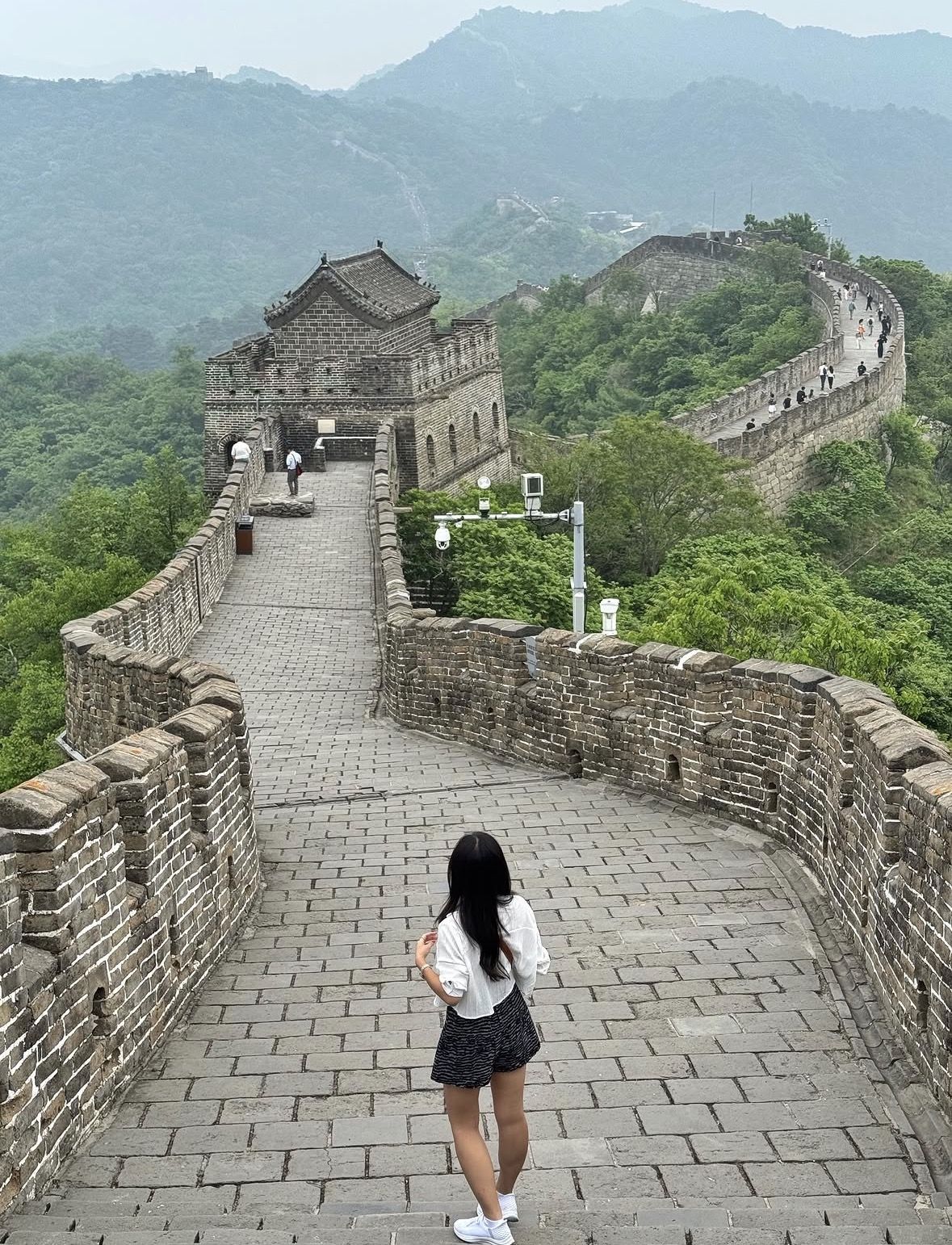
The construction techniques evolved dramatically across the centuries. Early Qin walls relied on rammed earth — a method called hangtu — in which layers of soil were compressed between wooden boards. Later dynasties in arid western regions used sun-dried mud bricks bonded with reeds and willow branches. The Ming Dynasty, which undertook the most extensive and sophisticated construction from 1368 to 1644, introduced the distinctive grey fired brick and granite stone construction that visitors see at iconic sites like Badaling and Mutianyu today. Ming engineers used glutinous rice mortar mixed with calcium carbonate, a binding agent so effective that modern tests have found it stronger than ordinary cement, explaining why sections built 500 years ago still stand firm.
The human cost of building the wall was staggering. Historical estimates suggest that between 400,000 and 1,000,000 workers perished during the Qin construction phase alone, with many dying from exhaustion, cold, hunger, and accidents in the brutal mountain terrain. Soldiers conscripted for border duty faced not only the hardships of construction but also the constant threat of Xiongnu raids. A poignant Han-era ballad, 'The Bitter Cold,' captures the desperation of garrison soldiers longing for their families while stationed thousands of miles from home. Despite its military purpose, the wall fostered cultural exchange: soldiers, merchants, and craftsmen who lived and worked along it blended Chinese traditions with those of the nomadic peoples they encountered, producing a distinctive frontier culture.
Despite its legendary status, the Great Wall suffered centuries of neglect after the fall of the Ming Dynasty in 1644. The succeeding Qing Dynasty, founded by the very Manchu people the Ming wall was built to repel, saw little strategic need to maintain it. Locals quarried its bricks for farmhouses and temples, and vast sections in remote regions crumbled back into the earth. It was Western travelers and diplomats in the 19th century who began to romanticize the wall to a global audience, and a popular myth — thoroughly debunked by modern research — emerged claiming it was visible from space with the naked eye. NASA astronauts and Chinese taikonauts have since confirmed that the wall is far too narrow to be seen from low Earth orbit without optical aids.
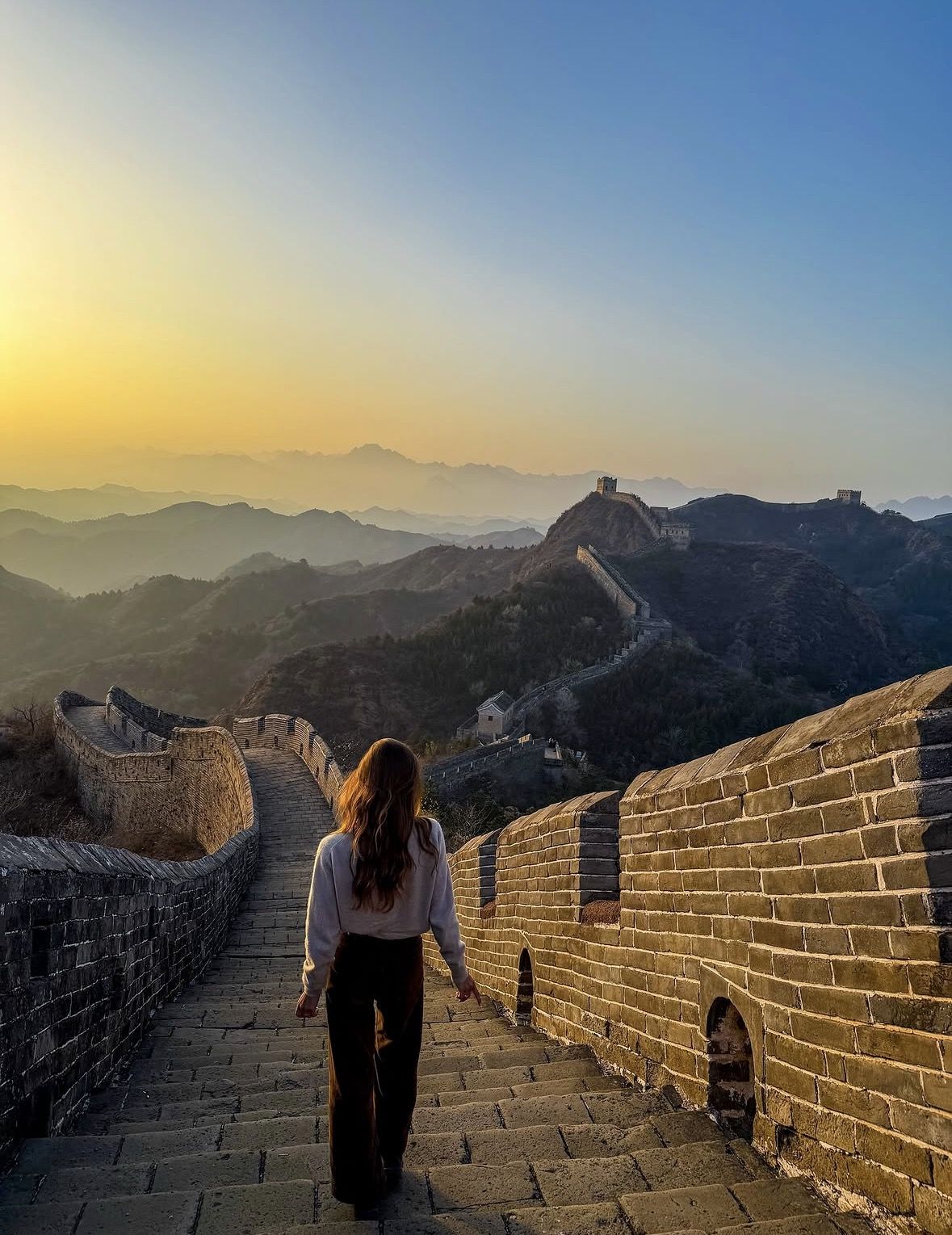
The People's Republic of China formally recognized the wall's cultural and political significance in 1952, and major restoration efforts at the Badaling section near Beijing began in earnest, making it the first section opened to mass tourism in 1957. When UNESCO inscribed the Great Wall as a World Heritage Site in 1987, it validated what millions already felt: this was not merely a Chinese treasure but a monument belonging to all humanity. The inscription accelerated international tourism and prompted the Chinese government to invest heavily in conservation and the opening of additional sections, including the well-preserved Mutianyu, the steeper and more dramatic Jinshanling, and the unrestored wild wall sections at Jiankou and Simatai.
In 2007, the Great Wall was voted one of the New Seven Wonders of the World following a global public poll, cementing its place in the modern imagination alongside the Colosseum, Machu Picchu, and the Taj Mahal. Today, the Chinese government's State Administration of Cultural Heritage classifies the wall as a first-tier protected monument, and ongoing archaeological surveys continue to reveal new sections. A 2012 survey by the National Administration of Cultural Heritage mapped a staggering 43,721 individual heritage sites associated with the wall across 15 Chinese provinces, expanding its total documented length to 13,170 miles — nearly double previous estimates — and underscoring that the wall remains, even now, incompletely understood.
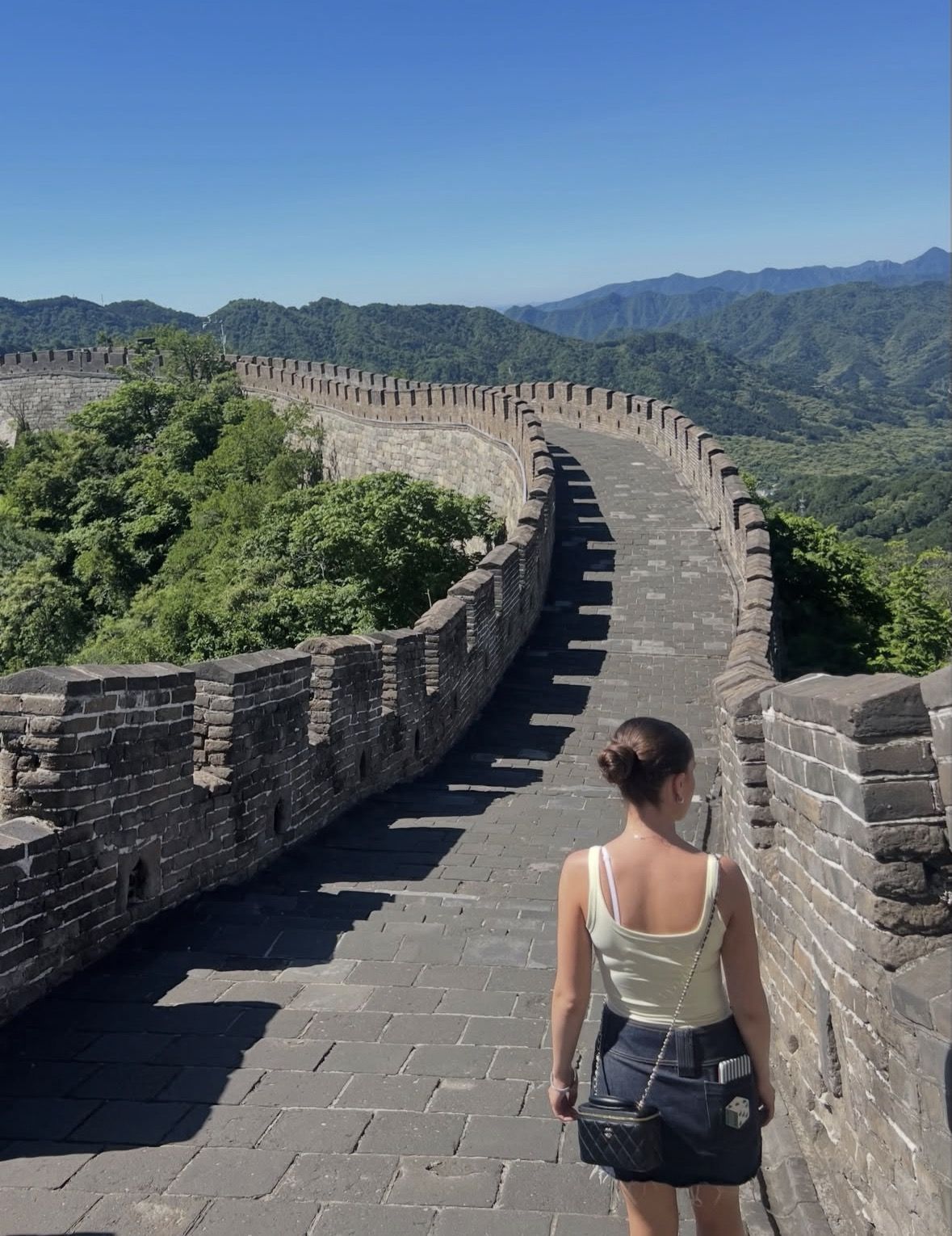
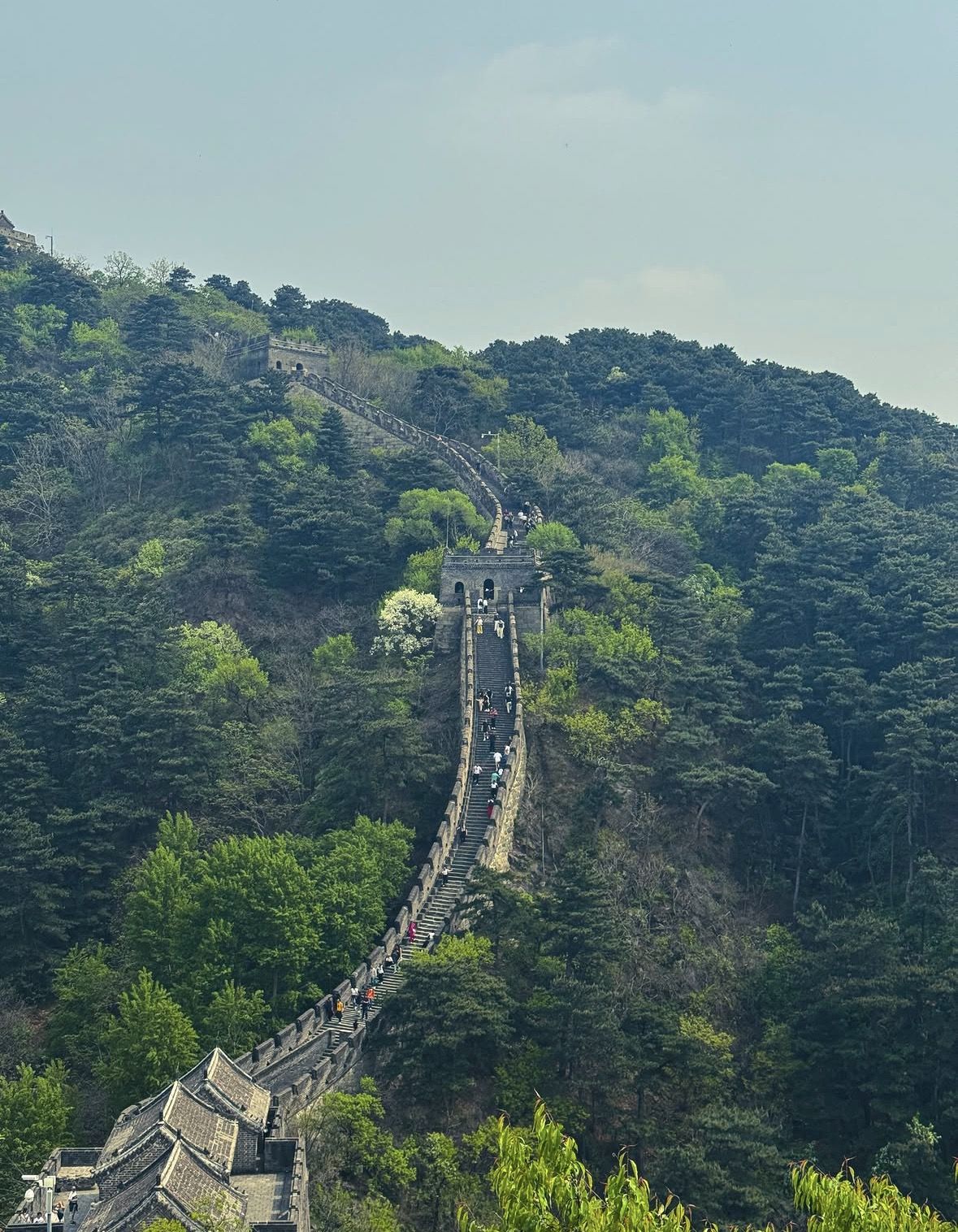
Visiting the Great Wall today is an experience that operates on multiple scales. The restored Badaling section, located just 43 miles northwest of Beijing, welcomes over 10 million visitors a year with cable cars, paved pathways, and state-of-the-art visitor centers — making it accessible but crowded. For those seeking a more atmospheric encounter, the Mutianyu section offers a thrilling toboggan descent alongside well-restored towers draped in seasonal foliage. Serious hikers gravitate toward the wild, unrestored sections at Jiankou, where the wall clings to near-vertical ridgelines with dizzying drama, or to Jinshanling and Gubeikou, where crumbling watchtowers and wildflowers create a landscape of extraordinary melancholy beauty.
The Great Wall is far more than an ancient ruin — it is a living testament to human ambition, endurance, and ingenuity that continues to inspire and challenge every visitor who sets foot on its ancient stones. Whether you walk the manicured Badaling parapets at sunrise, scramble along a crumbling wild section at Jiankou as morning mist fills the valleys below, or sip tea in a restored tower at Mutianyu as autumn leaves blaze gold around you, the wall delivers an experience that is profoundly personal and utterly unforgettable. There is simply no substitute for standing on these stones and feeling the full weight of 2,000 years of history beneath your feet — come and discover it for yourself.
Ready to Experience It Yourself?
From sunrise hikes on wild Jiankou to scenic cable-car rides at Mutianyu, expertly guided Great Wall tours bring this 2,000-year-old wonder to life with insider knowledge and seamless logistics. Don't leave one of the world's greatest monuments to chance — browse our hand-picked tours and secure your place on the wall. Your unforgettable encounter with history is just one click away.
Book Your Tour Now